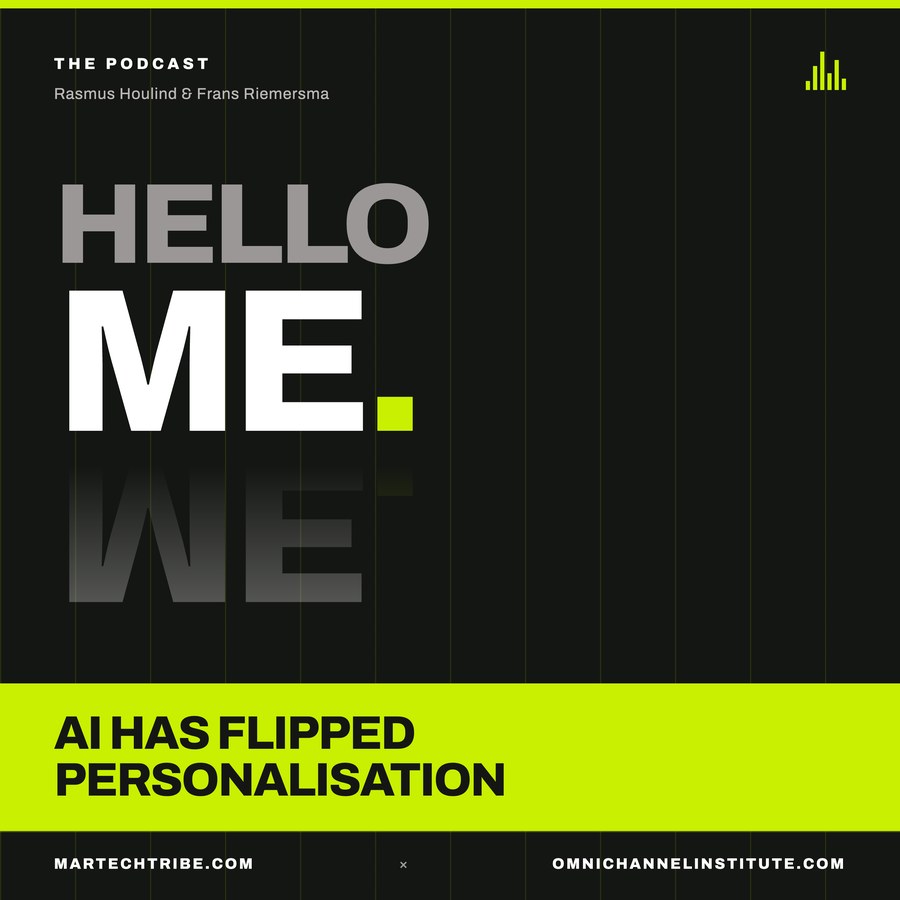
HELLO
ME
Marketing to a new breed of consumer wielding the power of personalisation in their favour. Not yours.
The premise
AI has flipped personalisation
For two decades, personalisation has been discussed from the brand's side: how companies recognise customers, use data to make experiences more relevant, and shape behaviour to sell more effectively.
AI has flipped that. Instead of brands constantly telling consumers who to become, consumers now use AI to help them figure that out for themselves, and to decide what they want from brands on their own terms.
“The consumer looks into the LLM. The LLM asks what you want to do. It's like looking into a mirror. Hello Me.”
The format
Not a product demo. Not a corporate interview.
45–60 minutes
Real conversations, recorded remotely.
Guests push back
Invited to challenge the premise, not just confirm it.
Open-ended
No fixed season, no claim to having the answers, just better questions.
One real question
How do marketers build for the consumer who's already emerging: AI-equipped, abundance-minded, and playing by a different logic?
This season
Seven open questions
- Humans won the game — when will they notice?
- Consumer use of LLMs and agents
- Wearables and health-tech
- A shift in martech
- Data security and sovereignty
- WildcardRobotics
- WildcardImpact on society
Episode 01
AI has flipped Personalisation
Rasmus and Frans open by explaining why Hello $Firstname has become Hello Me: AI has handed the power of personalisation back to the consumer.
Their core image for the episode: you open an LLM and it asks "what do you want?" with no agenda, unlike brands, which have always nudged you toward theirs.
Frans shares a new way of mapping AI agents: agents of marketers, agents for customers, and, the real eye-opener, agents of customers, working on the consumer's behalf.
They compare that shift to the cookie era, using a real example: a website chatbot took average visit time from 11 to 27 minutes of stated intent, not guessed clickstream data.
The conversation turns to scarcity versus abundance: humans are wired to fear running out, but most of us already have food, shelter and safety, so what we actually want becomes psychological, not physical.
They map that onto Maslow's pyramid and onto real campaigns, contrasting fear-driven urgency tactics with abundance-style marketing, like Matas, the Nordic health and beauty retailer, pausing its sales messages to teach first-time makeup buyers instead.
Wearables get a mention too: does a device like WHOOP help you understand yourself, or just feed the same scarcity mindset with new numbers to chase?
That leads into data sovereignty: who should own the "preference agent" that knows you this well, and should it live on your own device rather than a vendor's servers?
They land on a line worth remembering: the customer journey was always the customer's, brands were only ever guessing at it.
They close by previewing the season ahead, humans winning the game, consumer AI adoption, health tech, martech, data security, robotics and society, and asking listeners to help fill out the guest list.
The hosts
Two takes on the same shift
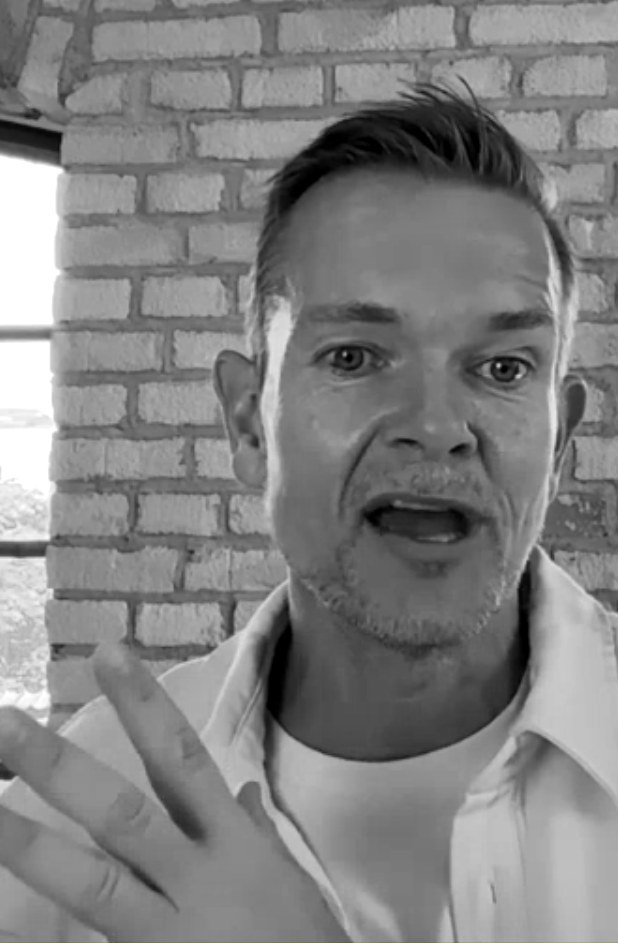
Rasmus Houlind
CXO at Agillic and founder of the Omnichannel Institute. Author of Hello $Firstname and Make It All About Me.
LinkedIn →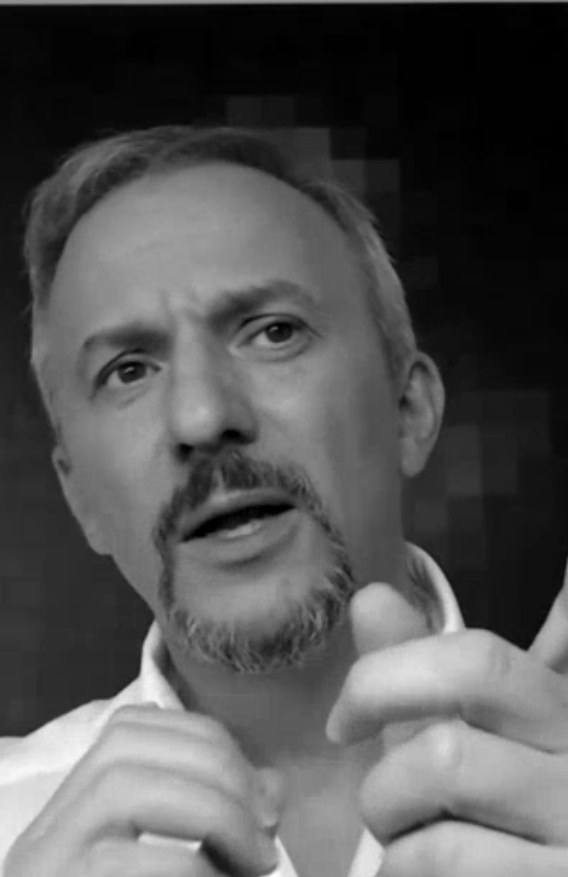
Frans Riemersma
Founder of MartechTribe and co-creator of MartechMap.com. Author of A Small Book on Customer Technology.
MartechTribe →Know someone who should be on the show?
Tip us off
We're looking for guests who'll challenge the premise, not confirm it: people working on consumer AI, wearables, martech, data sovereignty, or the wider shift this is all part of.
Suggest a guest →Want the full brief?
Download the concept description
The one-pager we send potential guests and partners: the premise, the format, and the question we're actually trying to answer.